Back when I was in high school, walking through the Bar Harbor cemetery always raised questions that the headstones couldn’t answer. Who were these people, really? How exactly did they die? What were their daily lives like? Answering these questions in the 1990s meant spending hours in the basement of the historical society, which as a high schooler was not something I had the time or interest in doing. But in the intervening years, what would have required a research team with a budget became something one person could do at the kitchen table, in the hours between teaching and raising kids.
The Process
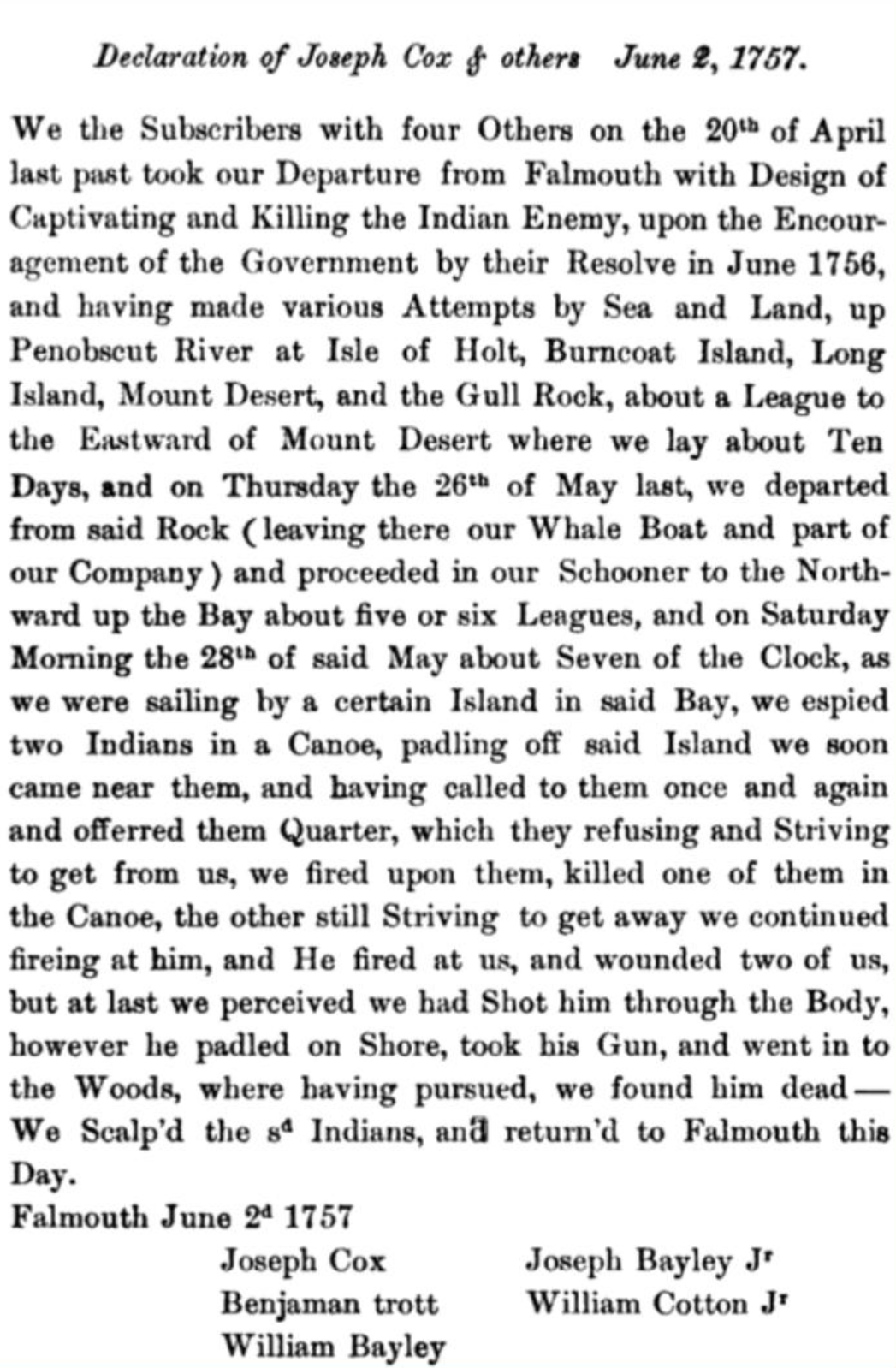
During the pandemic I brought my family back to the island, and started thinking about the graveyard again. By then I had two things I hadn’t had as a teenager: my years in graduate school had taught me how to research, and my years teaching had taught me how to turn primary sources into a story about the world. Many archives had been digitized and were now available online; free archives like Maine Memory Net, Digital Maine, and the Library of Congress let me search documents and images from the period; paid tools like Ancestry.com and Newspapers.com let me find information about specific people.
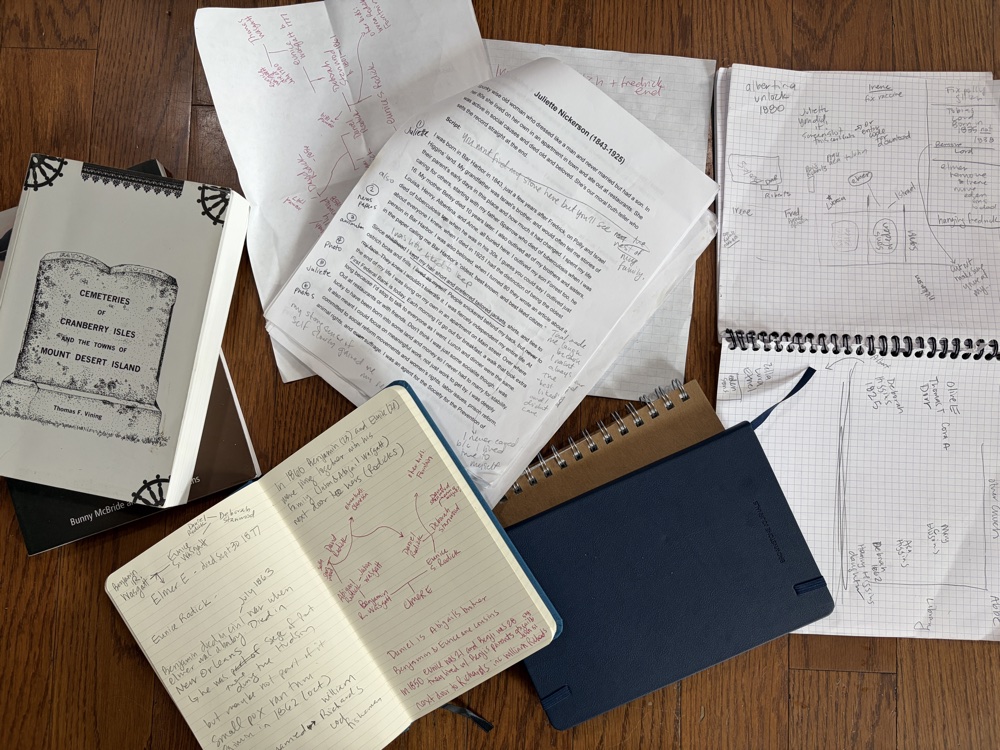
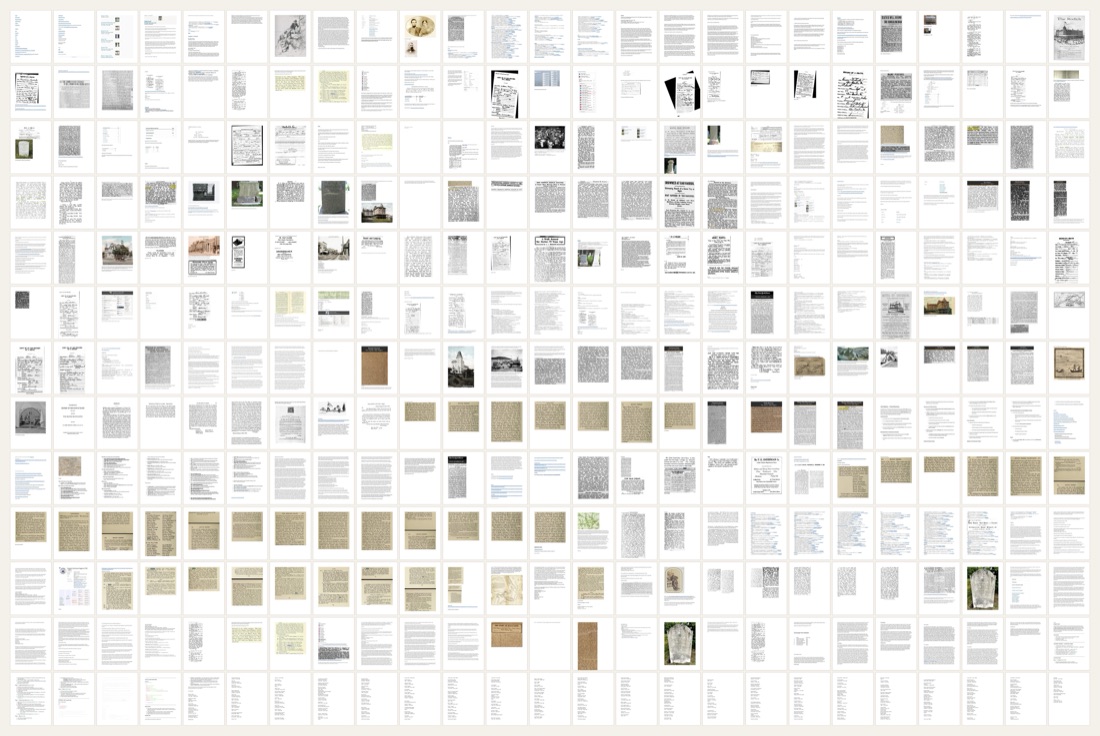
I spent five years compiling hundreds of pages about the people buried in the graveyard, and their stories told the history of Maine and the country as a whole. I ultimately chose seven graves that represented a cross-section of the island in the 18th and 19th centuries. Each connected to some larger piece of history: settler-colonialism, the revolution and civil war, the National Parks, and Gilded Age tourism. I had 300 pages of material, but I wanted to walk through the graveyard and hear from the inhabitants themselves. I started with static stories and images. But when I showed them to my kids, they glazed over. “You know,” they told me, “kids our age need videos.”
The Videos
My husband makes kids’ animation. People in his industry were worried that advances in AI would allow big studios to cut out artists and filmmakers, but he’d begun doing the opposite: helping independent artists and filmmakers use those same AI tools to cut out the big studios. Yes, these tools can be used to make AI slop, but they can also be used by independent filmmakers with little or no budget to create meaningful work that never would have been made otherwise. This is an incredibly niche project. No one was going to give me money to do it so using these tools made the videos possible.
The Technical Stuff
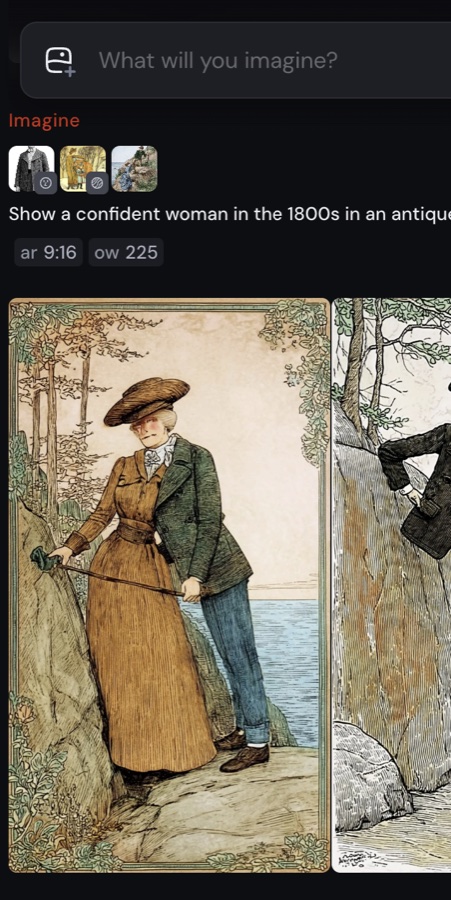
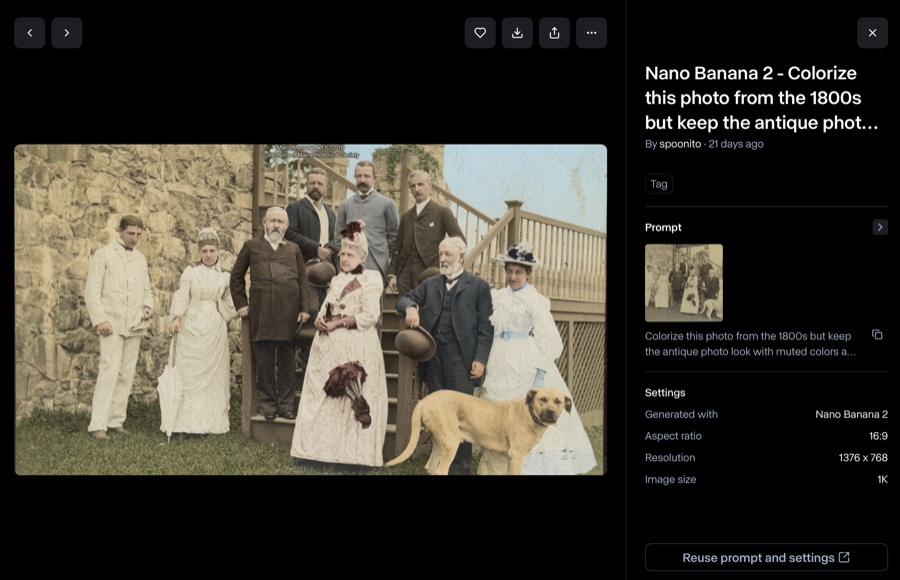
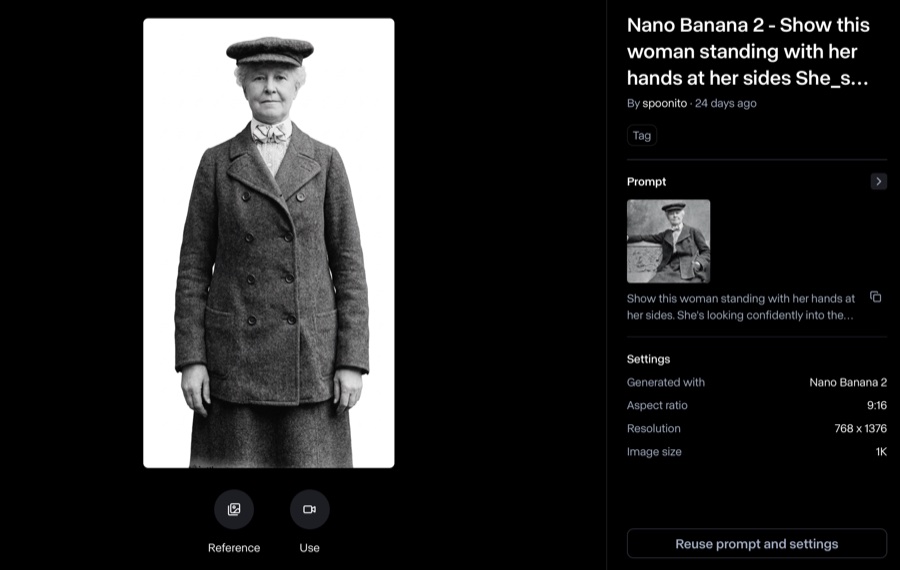
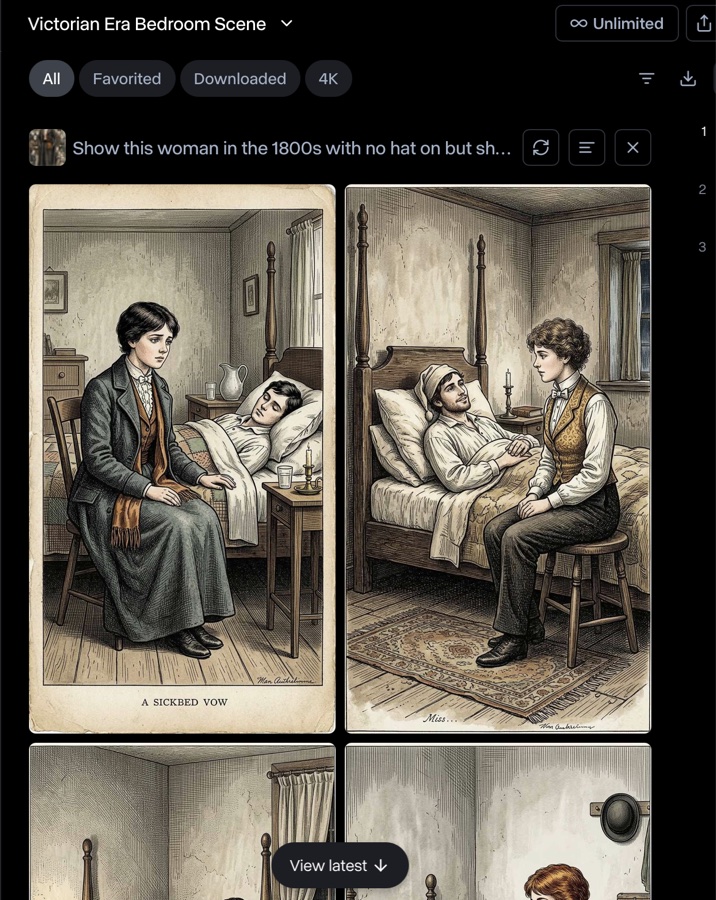
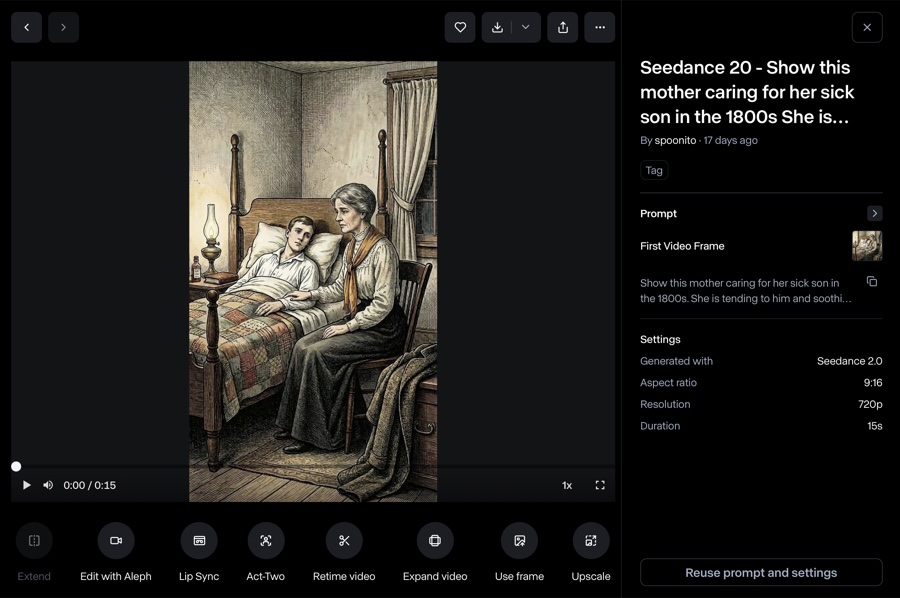
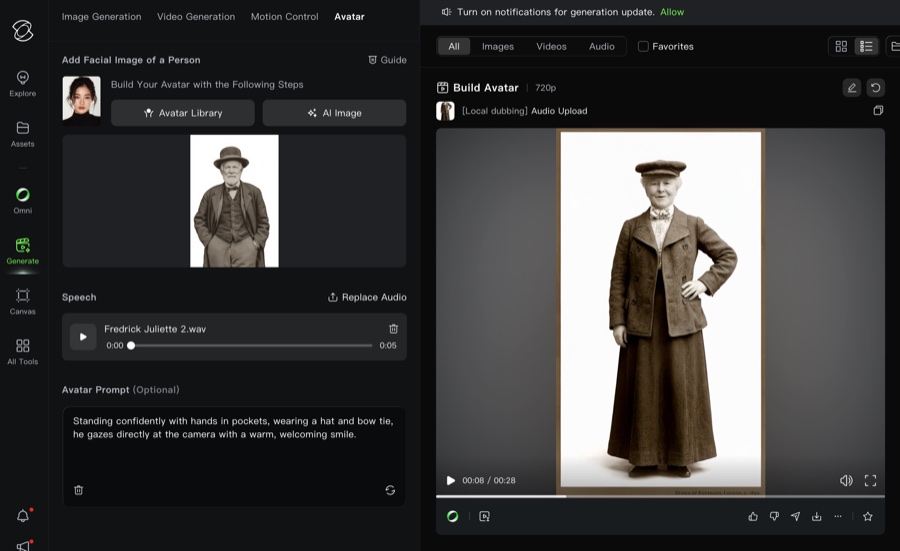
Specifically, I used Midjourney and Google’s Nano Banana image model to turn archival images I’d found into images I could animate using video models like Runway and Kling. For the actual performances, I reached out to an old high school friend who is now a voice actor, Matt Haynes. He performed all the scripts, and in the instances where I needed to transform his voice to fit a character’s age or gender, I used ElevenLabs. I put his audio recordings into Kling to make the performances.
The Website
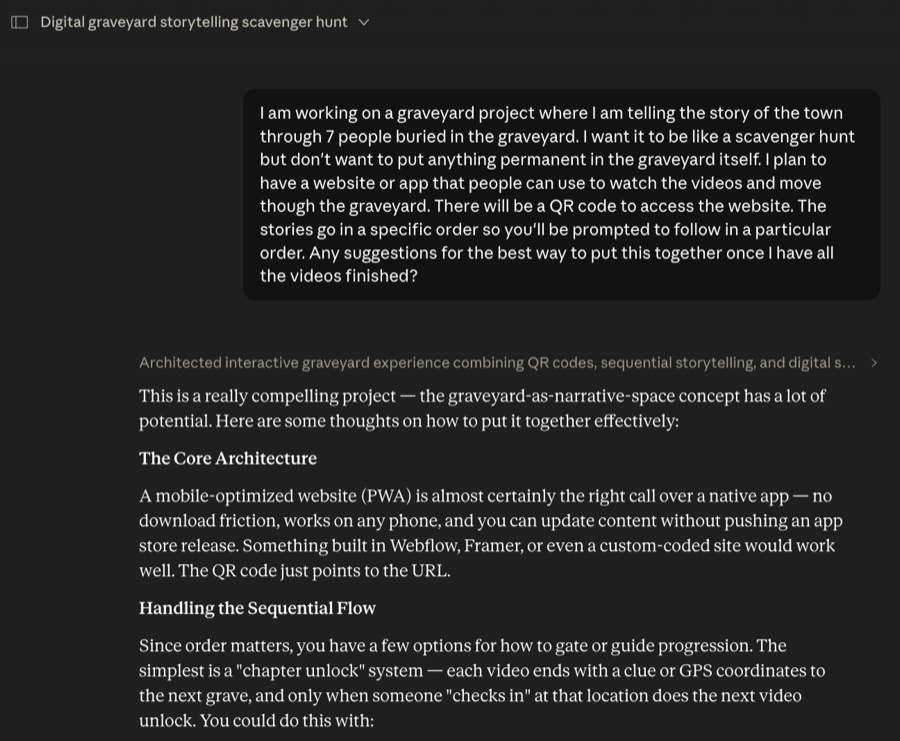
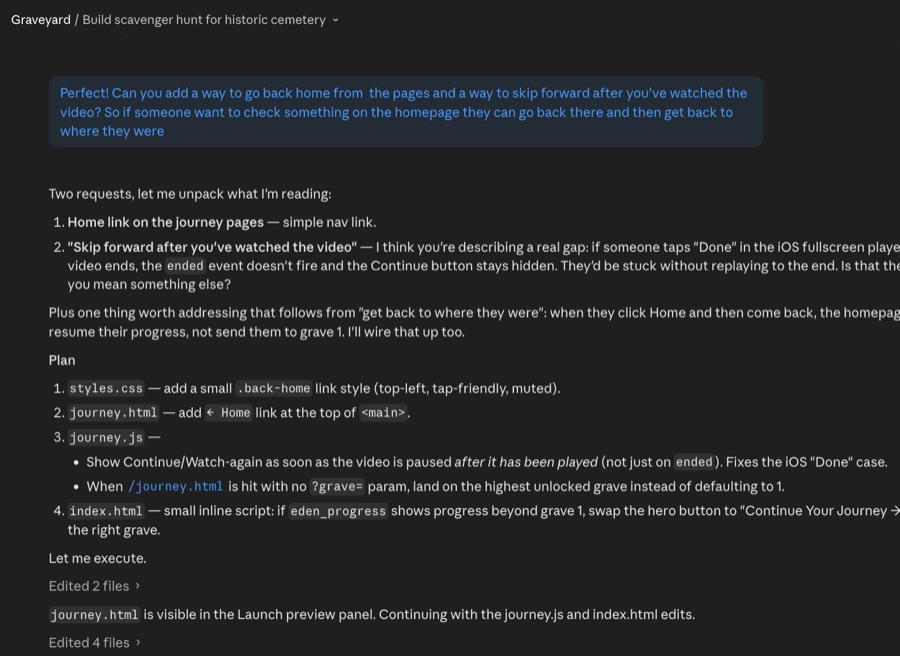
I had an idea for how I wanted to make a scavenger hunt–type tour, but I don’t know how to code a website, and didn’t have the budget to hire someone like that, so again I turned to technology. I taught myself how to “vibe code” with Claude and Claude Code.
The Technical Stuff
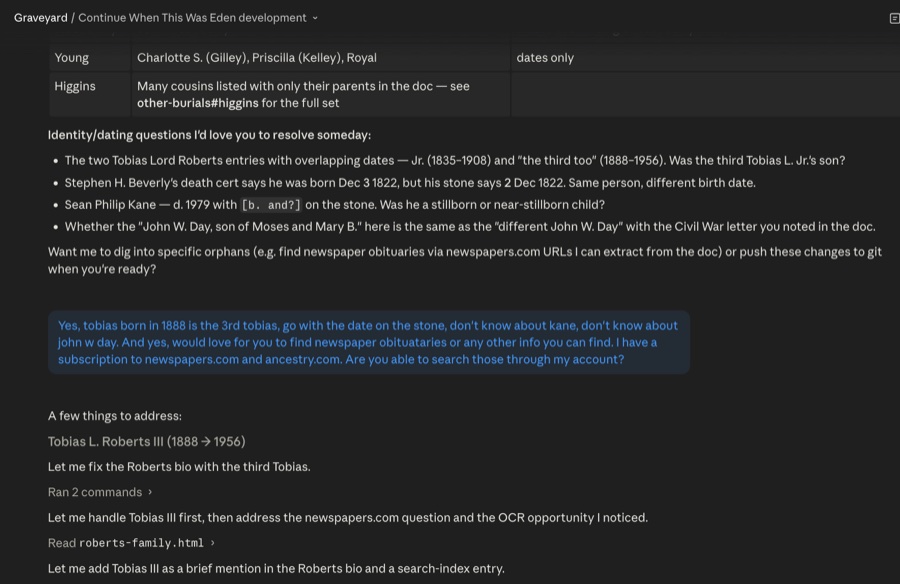
After my videos were finished and uploaded to the site I still had many pages of unused research. Even though they weren’t complete stories, I wanted a way to share what I’d found. So I gave Claude Code the list of everyone buried in the graveyard from Find a Grave and asked it to search my notes for relevant information to fill in the “Families Buried Here” section. When given free reign, large language models like Claude have been known to make up facts, so I gave it strict instructions to only use information from the document I’d researched myself over several years. Once that was done, I let it look online for information about anyone else I was still missing, with links to sources. Because I didn’t have time to fact-check everything in this bonus material section, I included a disclaimer and sources so visitors and descendants of the families can contact me to fill in the gaps.
Collaborators
In addition to my robot collaborators, it was the human ones who made this possible.
- Matt Haynes’s readings brought the characters to life. Born and raised in Bar Harbor, Matt made his voiceover debut as the morning announcer at MDI High School. Also a proud alumnus of the school’s drama program, Matt went on to major in theatre at Skidmore College, and later completed the one-year training intensive at the Dell’Arte International School of Physical Theatre. Now residing in the Other Portland, he works full-time as an audiobook narrator. The Headstone History project has been a wonderful way for Matt to give back to Bar Harbor, as well as refresh his sense of place within the island’s evolution.
- Nikki Moser at the Bar Harbor Historical Society provided endless context, guidance, and encouragement and a home for the project. Nikki is a sculptor whose practice spans cast iron, printmaking, photography, mixed media, and textiles, with a particular emphasis on community engagement and participatory art. She co-founded Keystone Iron Works in 2010, an iron casting educational program for at-risk high school students that earned two National Endowment for the Arts awards, and helped establish a Sculpture Park through cultural partnerships. She serves as Experience Manager at the Bar Harbor Historical Society.
- Anne Wheeler created the beautiful watercolor map that anchors the website and guides the experience. Anne is a hand-painted tile artist based in Maine whose work draws from the mountains, sea, flora, and fauna of the coast of Maine and Acadia National Park. She has studied with artists in the United States, Italy, and Montenegro, and her tiles — each hand-painted with glazes and fired in her kiln — can be found in homes and commercial spaces nationwide and abroad. You can find her work at annewheelertile.com.
- Anna Durand offered extra context and brainstorming sessions. Anna has lived in Bar Harbor since the late 1980s, when she first began hearing stories from longtime island residents while working as a clerk at Hulls Cove General Store. She has spent years researching the history of Mount Desert Island — including the uncomfortable parts — and in 2024 gave a talk for the MDI Historical Society and Jesup Library on MDI seafarers, shipbuilders, and the slavery-based economies of the West Indies trade, examining how local maritime commerce was intertwined with Caribbean plantation slavery.
- Nick Confalone provided video editing help. An Emmy-nominated children’s TV showrunner, writer, and producer, Nick’s work spans Disney, Cartoon Network, Nickelodeon, Netflix, Paramount, Sony, and PBS — including running Hasbro’s My Little Pony: Equestria Girls, Apple TV’s Helpsters (for which he received a 2020 Daytime Emmy nomination for Outstanding Writing in a Children’s Program), and the new hit Disney series SuperKitties. He started early: he won HBO’s KidFlix Film Festival at 18 with a short starring his family’s border collie, Brandy. His feature screenplays have twice appeared on The Blacklist, his writing has been published in McSweeney’s, Slate, Vulture, and the LA Times, and he has written two non-fiction children’s books. Since 2016 he has served as a U.S. State Department envoy through USC’s American Film Showcase.
- My kids beta-tested the videos.